Optimal Timing for Woven Wire Fence Installation
Woven wire fence installations are influenced by seasonal weather patterns, soil conditions, and project scope. Proper timing ensures optimal durability and ease of installation, reducing potential delays and costs.
Spring offers moderate temperatures and longer daylight hours, facilitating efficient installation. Soil is typically moist, making it easier to set posts securely.
Summer provides warm weather, but high temperatures and dry soil can complicate digging and setting posts. Adequate hydration of the site is recommended.
Fall presents cooler temperatures and stable soil conditions, ideal for installation before winter. It allows for completion before colder months set in.
Winter is generally less suitable due to frozen ground and harsh weather, which can hinder excavation and setting of fence components.
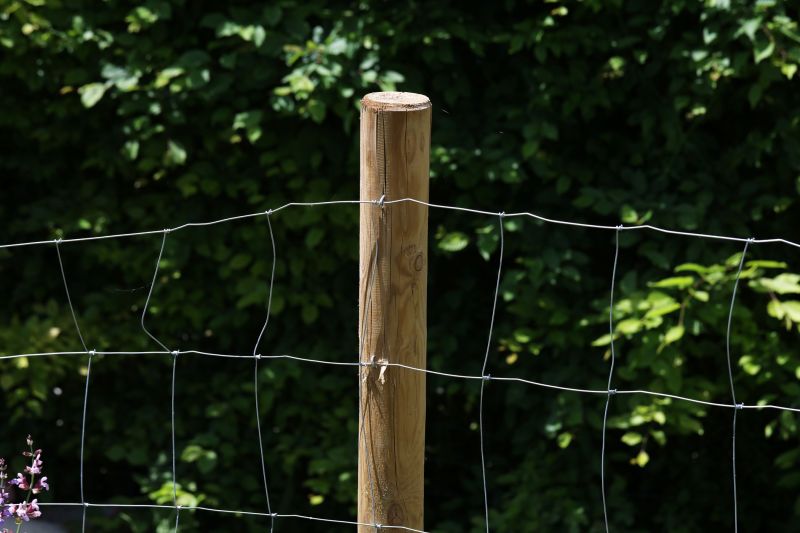
Ways to make Woven Wire Fence Installations work in tight or awkward layouts.

Popular materials for Woven Wire Fence Installations and why they hold up over time.

Simple add-ons that improve Woven Wire Fence Installations without blowing the budget.

High-end options that actually feel worth it for Woven Wire Fence Installations.

Finishes and colors that play nicely with Woven Wire Fence Installations.
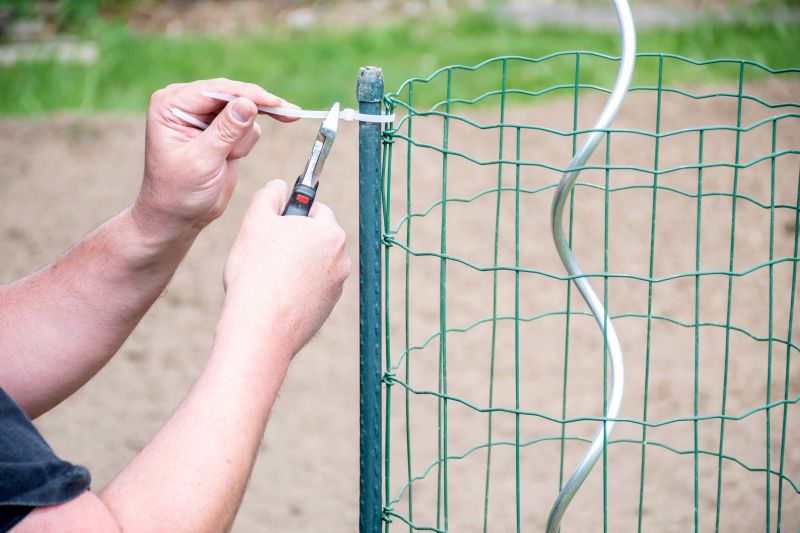
Little measurements that prevent headaches on Woven Wire Fence Installations day.
Woven wire fences are a durable and versatile fencing option, commonly used for agricultural, industrial, and residential purposes. They are known for their strength, flexibility, and cost-effectiveness. Proper timing for installation can extend the lifespan of the fence and improve its performance. Seasonal considerations include soil conditions, weather patterns, and project deadlines. For example, installing during periods of moderate weather minimizes risks associated with soil erosion and post-settlement issues.
A 60-second routine that keeps Woven Wire Fence Installations looking new.

A frequent mistake in Woven Wire Fence Installations and how to dodge it.

Small tweaks to make Woven Wire Fence Installations safer and easier to use.

Lower-waste or water-saving choices for Woven Wire Fence Installations.
| Season | Advantages |
|---|---|
| Spring | Ideal soil conditions and longer daylight hours facilitate installation. |
| Summer | Warm weather allows for quick work, but precautions against heat are necessary. |
| Fall | Stable soil and cooler temperatures support durable installation. |
| Winter | Not recommended due to frozen ground and adverse weather conditions. |
Choosing the appropriate time for woven wire fence installation depends on local climate and project specifics. Proper planning can lead to longer-lasting fences with fewer maintenance issues. It is advisable to consult with fencing professionals to determine the best season based on regional weather patterns and soil conditions. Proper timing not only enhances the quality of installation but also optimizes resource use and project efficiency.

The short, realistic tool list for quality Woven Wire Fence Installations.
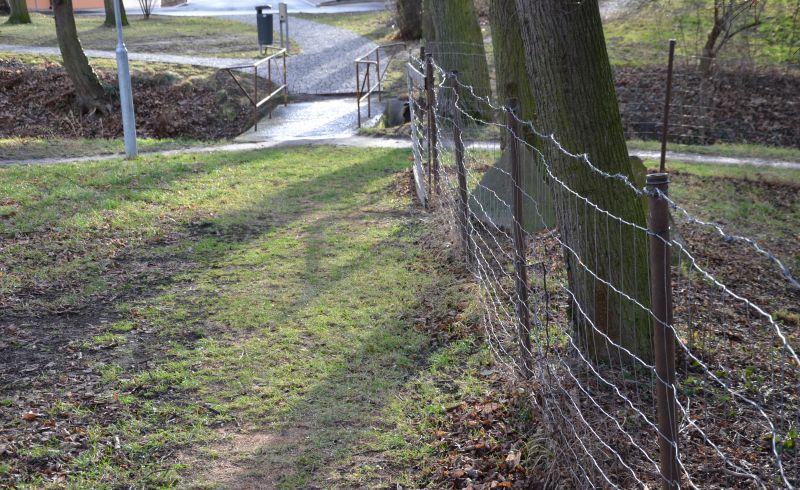
Rough timing from prep to clean-up for Woven Wire Fence Installations.

Quick checks and paperwork to keep after Woven Wire Fence Installations.
Individuals interested in woven wire fence installations are encouraged to contact for more information or to discuss project timing. Proper scheduling can ensure a successful and durable fencing solution tailored to specific needs.