
Expert Picks For Woven Wire Fence Installation Equipment
Choose from a curated selection of essential products that ensure a smooth and durable woven wire fencing process.
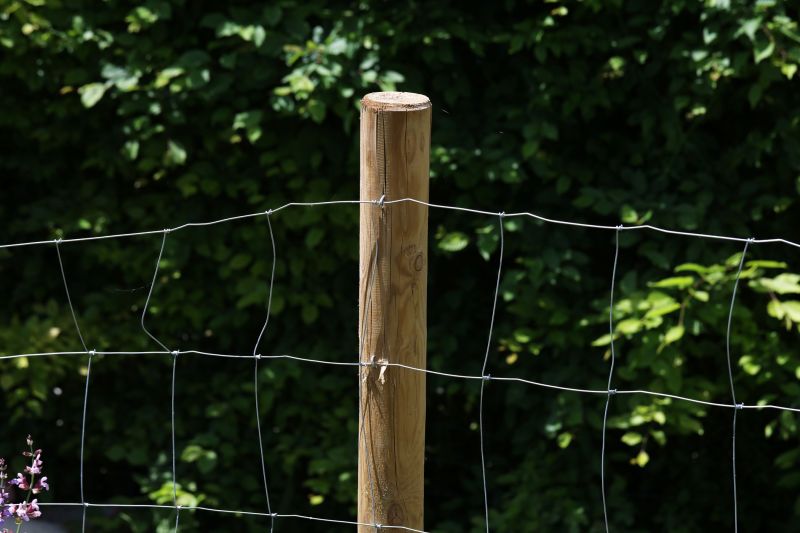 Woven wire fencing is a versatile and durable option for enclosing properties, livestock, or garden areas. It is composed of interwoven wire strands that create a sturdy mesh, capable of withstanding various environmental conditions. Proper installation of woven wire fences requires the right selection of materials and accessories to ensure longevity and effectiveness. Whether setting up a new enclosure or maintaining an existing one, understanding the available products can help in making informed choices.
Top Overall Option
Heavy-Duty Fence Wire with Tensioning System
This comprehensive fencing solution features a robust woven wire mesh combined with an integrated tensioning system, designed to facilitate easy installation and maintain consistent tension over time. Its galvanized coating offers corrosion resistance, making it suitable for various outdoor environments. Ideal for agricultural, livestock, or property boundary applications, this product provides a reliable foundation for durable fencing.
Types of Products For Woven Wire Fence Installations
Galvanized Wire Mesh
A corrosion-resistant wire mesh suitable for long-term outdoor use, available in various gauges and mesh sizes.
Barbed Wire Strands
Additional wire strands with barbs used for added security and deterrence along the top or bottom of fences.
Fence Tensioners
Devices designed to tighten the wire mesh and maintain proper tension throughout the fence's lifespan.
Fence Posts
Various types including T-posts, wood posts, and metal posts, used to support the wire mesh securely.
Clips and Fasteners
Hardware for attaching wire mesh to posts and tensioning devices, ensuring a secure fit.
Corner Braces
Structural supports that reinforce fence corners, preventing sagging and maintaining alignment.
Stretching Bars
Tools used to stretch the wire mesh during installation for a taut, even fence.
Galvanized Staples
Fasteners for attaching wire or mesh to wooden posts, resistant to rust and corrosion.
Fence Caps
Protective caps for posts that prevent water ingress and extend post life.
Wire Cutters
Tools for trimming wire mesh and tensioning wires to the desired length.
Line Posts
Intermediate support posts that help maintain the fence's shape and spacing.
End Posts
Posts placed at fence ends or corners to anchor the wire and provide structural stability.
Stretching Tools
Specialized tools to assist in applying consistent tension to the wire mesh during installation.
Galvanized Tie Wires
Wires used to secure and reinforce the mesh and tensioning components.
Fence Line Markers
Markers used to visually delineate property boundaries or sections of the fence.
Popular Choices
Pre-fabricated panels that simplify installation and provide uniform coverage for fencing projects.
Steel T-shaped posts that are easy to install and support woven wire mesh effectively.
Clamps that help secure tensioning wires and maintain consistent tightness across the fence.
Fasteners used to attach mesh to posts and tensioners, available in rust-resistant materials.
Protective caps that shield posts from weather damage and prolong their lifespan.
Heavy-duty staples for securing wire mesh to wooden posts or structures.
Markers to help visualize property boundaries during installation.
Essential hand tools for trimming and securing wire components during setup.
Wires used for reinforcing and securing tension points along the fence line.
Supports that provide additional stability at critical points or corners.
Tools that facilitate tightening of the wire mesh for a secure and straight fence.
Additional reinforcement pieces to enhance the strength of the wire mesh.
Devices that help maintain consistent tension along the entire length of the fence.
The installation process involves several key components, including fencing wire, tensioning devices, and posts. The wire itself comes in different gauges and mesh sizes, which influence the fence's strength and suitability for different applications. Accessories such as tension bars, clips, and fencing staples are essential for securing the wire tightly and maintaining structural integrity over time. Selecting high-quality products tailored to the specific needs of your fencing project can make the installation smoother and the fence more reliable.
In addition to the basic materials, there are various enhancements and specialized products designed to improve fence performance. These include galvanized coatings for corrosion resistance, corner braces for added stability, and stretchers to maintain consistent tension. Proper planning and the right combination of these products can help create a fence that meets your functional requirements while minimizing maintenance needs. Investing in durable, well-designed components is key to achieving a secure and long-lasting woven wire fence setup.
Key Buying Considerations
- Gauge and thickness of the wire, affecting durability and strength.
- Mesh size and opening dimensions to suit specific applications.
- Corrosion resistance features such as galvanization or coating.
- Type of posts compatible with your installation site and load requirements.
- Ease of installation and availability of supporting accessories.
- Tensioning mechanisms to ensure a tight and secure fence.
- Environmental conditions and exposure to elements that may influence material choice.
- Compatibility of fasteners and clips with wire and post types.
- Potential for future expansion or modifications to the fence line.
- Budget considerations balanced with material quality.
- Local building codes or regulations related to fencing materials.
- Maintenance requirements and ease of repair or replacement.
- Weight and handling considerations for ease of transport and setup.
- Availability of replacement parts and accessories.
- Overall project scale and the amount of fencing material needed.